
Every genre comes with a few familiar faces.
Fantasy gives us chosen heroes, wise mentors, dark rulers, and rogues who smile as if they already know how this will end.
Mystery brings us clever detectives, loyal partners, suspicious strangers, and masterminds hiding three steps ahead.
Horror has survivors, skeptics, experts, and at least one person who hears a terrible noise behind a locked basement door and investigates.
Romance gives us guarded hearts, hopeful romantics, charming troublemakers, and two people who insist they cannot stand each other right before falling in love.
We have met these characters before.
And somehow, we still want to meet them again.
These familiar roles are called genre archetypes. They help readers understand what part a character may play, and they give writers a useful place to begin.
The important word is begin.
An archetype is not a finished character. It is the pattern beneath the character. You still have to add the goals, fears, memories, habits, flaws, loyalties, contradictions, and questionable life choices that make them feel alive.
But familiar does not have to mean boring.
Readers often choose a genre because they enjoy its familiar patterns. Our job is not always to avoid those patterns. Sometimes the better challenge is to take one, make it personal, and give readers a version they have not met before.
Archetypes in genres are recurring character types that are commonly found in specific story types. They usually grow out of what the genre needs.
♥ A mystery needs someone willing to search for the truth.
♥ A romance needs characters who must risk emotional closeness.
♥ A fantasy adventure may need someone who understands the magical world.
♥ A horror story usually needs someone capable of surviving the threat.
♥ A dystopian story needs someone willing to question the system.
Examples:
♦ the chosen one in fantasy
♦ the detective in mystery
♦ the last survivor in horror
♦ the charming rogue in romance or adventure
♦ the rebel in dystopian fiction
♦ the inventor in science fiction
When a detective steps onto a crime scene, we expect clues, suspects, questions, and buried secrets. When a mentor appears in a fantasy story, we expect guidance, warnings, training, or knowledge about the world.
That recognition helps the story move.
But recognition alone will not hold a reader’s attention. Once they understand the role, they need a reason to care about the person filling it.
Genre Archetype, Character Archetype, or Story Role?
These terms overlap, which is why they can feel confusing. Here is the basic difference.
Character Archetypes
Character archetypes describe a person’s deeper needs, fears, values, and way of seeing the world.
Examples:
♦ the Hero
♦ the Caregiver
♦ the Rebel
♦ the Sage
♦ the Lover
♦ the Explorer
A caregiver wants to protect.
A sage searches for truth.
A rebel wants freedom or change.
These archetypes tell us who the character is underneath the plot.

Story-role Archetypes
Story-role archetypes describe the job a character performs in the story.
Examples:
♦ the mentor
♦ the ally
♦ the villain
♦ the herald
♦ the trickster
♦ the threshold guardian
A mentor prepares the hero. An ally offers support. A herald brings the news, warning, or event that pushes the story into motion.
These roles tell us what the character does for the plot.
Genre Archetypes
Genre archetypes are the familiar roles readers associate with a particular genre.
Examples:
♦ The detective in mystery
♦ the dark ruler in fantasy
♦ the survivor in horror
♦ the outlaw in a Western
♦ the inventor in science fiction
One character can fit all three categories.
♥ A fantasy Chosen One may carry the Hero archetype while also serving as the protagonist.
♥ A mystery detective may have the sage archetype because knowledge and truth matter deeply to them.
♥ A dystopian rebel may act as the hero while challenging the people who control society.
You do not have to choose one system and ignore the others. The layers can work together.
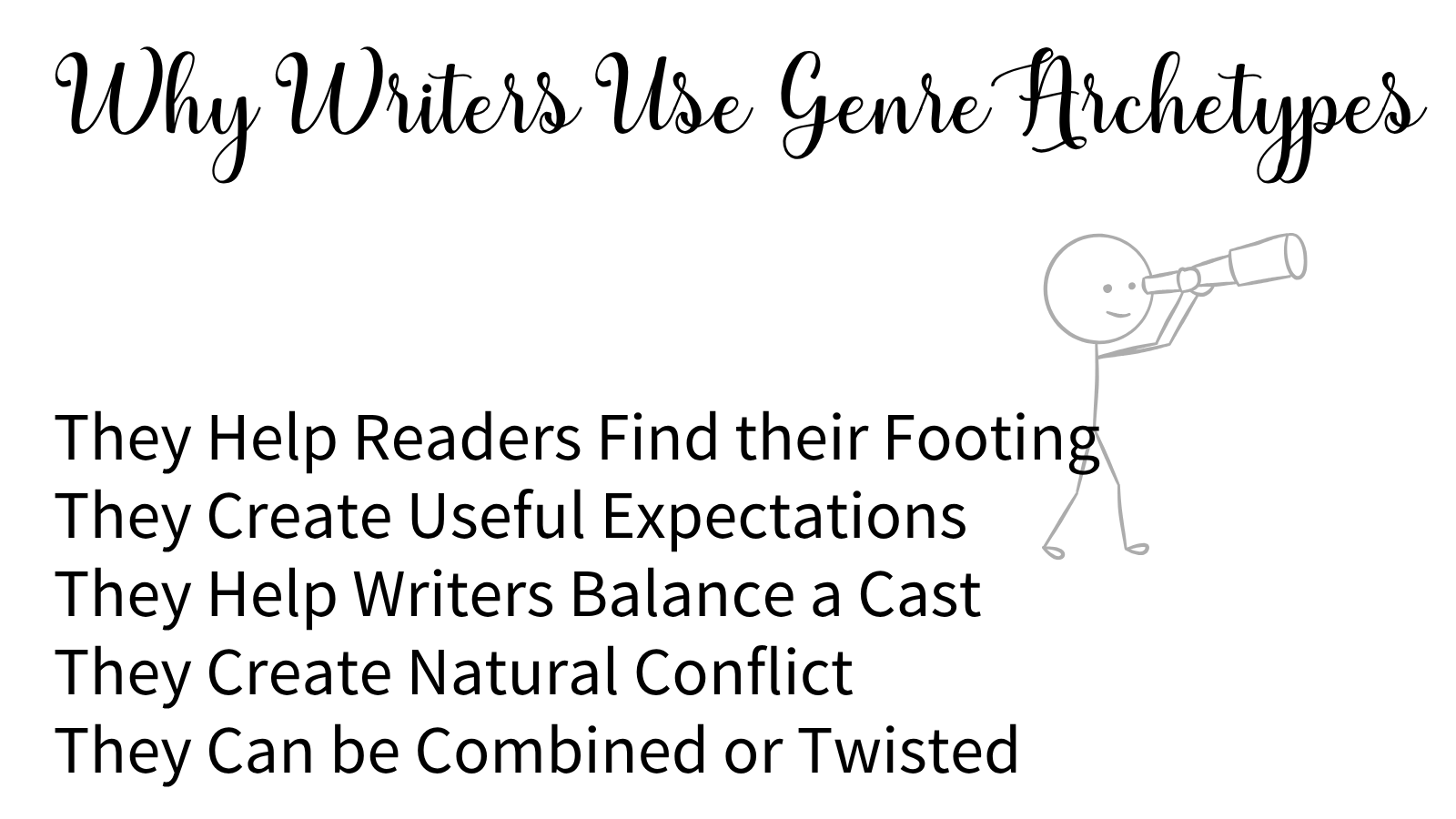
Why Writers Use Genre Archetypes
Genre archetypes remain popular because they are useful. They help readers enter the story, and they help writers build one.
They Help Readers Find their Footing
An archetype gives the reader something recognizable to hold onto while the story introduces everything new. Readers bring expectations into a genre.
♥ Mystery readers expect secrets and clues.
♥ Romance readers expect connection, conflict, and emotional risk.
♥ Horror readers expect danger, fear, and survival.
♥ Fantasy readers often expect unusual worlds, quests, magic, or struggles for power.
They Create Useful Expectations
Readers often return to a genre because they enjoy certain patterns.
♥ A mystery fan might love brilliant detectives.
♥ A fantasy reader may have a soft spot for reluctant heroes and mentors with too many secrets.
♥ A romance reader may happily read ten different versions of rivals falling in love.
The pattern creates familiarity. The details create pleasure.
Readers know the experience they came for. The writer gives them that experience through a new cast, setting, conflict, and set of choices.
They Help Writers Balance a Cast
Archetypes can reveal what a story is missing.
A fantasy quest might need:
♥ someone to lead
♥ someone to guide
♥ someone to challenge the plan
♥ someone who understands the enemy
♥ someone who keeps the group from collapsing under the weight of its own seriousness
A mystery might need:
♥ someone searching for the truth
♥ someone hiding information
♥ someone helping the investigator
♥ someone trying to stop the investigation
Not every story needs every role. Archetypes are not a checklist; they are a way to notice gaps.

They Create Natural Conflict
Different roles often come with different values. That conflict does not have to be forced. It grows from what each character believes is necessary.
♥ A strict police captain clashes with a detective who breaks rules.
♥ A cautious scientist argues with an impulsive explorer.
♥ A hopeful survivor fights with a cynical realist.
♥ A mentor hides information from a hero who wants answers now.
They Can be Combined or Twisted
This is where archetypes become especially fun because the familiar role creates an expectation. The variation makes readers lean closer.
♥ A mentor may secretly serve the villain.
♥ A final survivor may slowly become the monster.
♥ A charming rogue may follow a strict personal code.
♥ A detective may be hiding the crime.
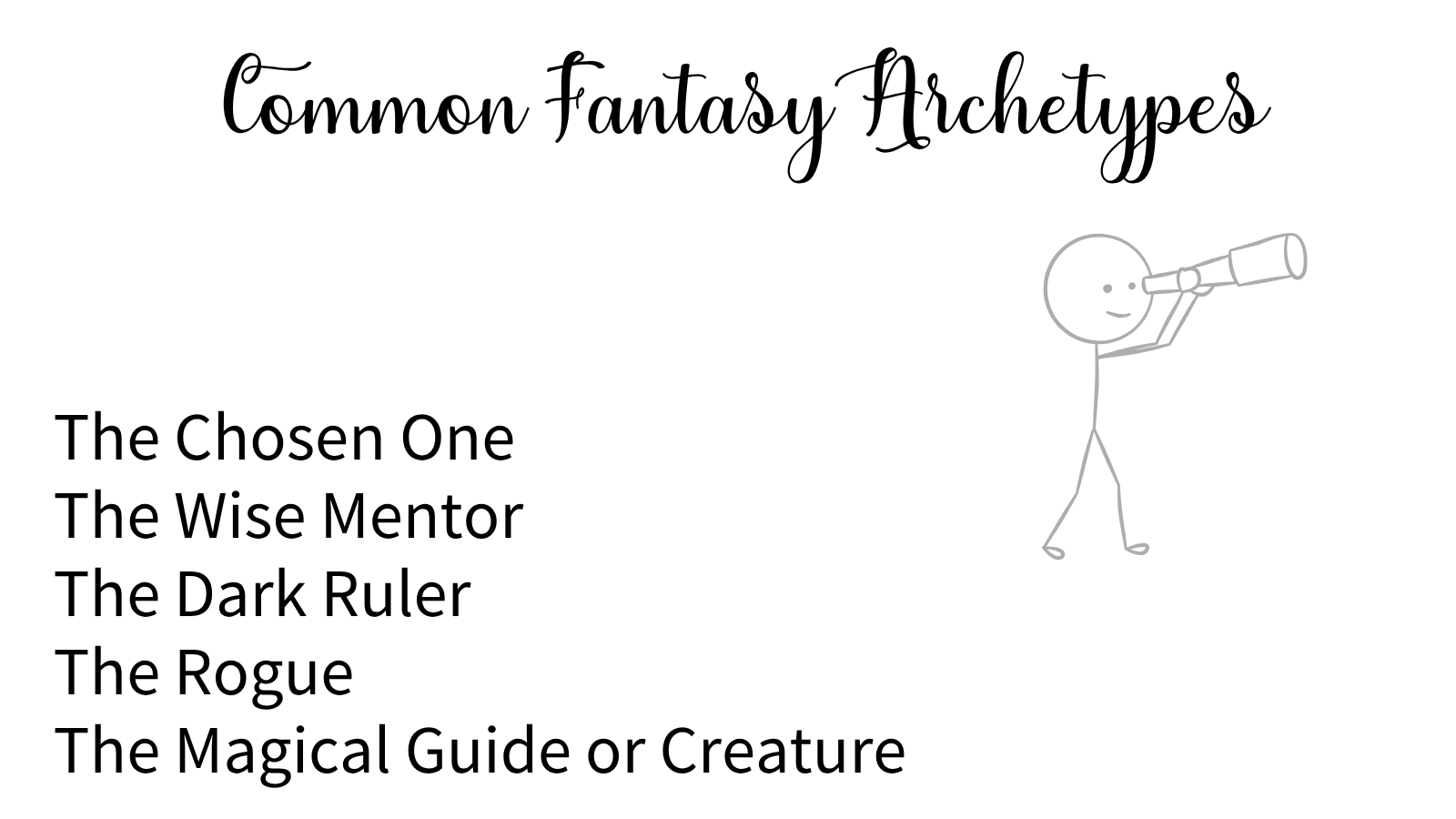
Common Fantasy Archetypes
Fantasy often deals with destiny, power, leadership, magic, and the struggle between competing forces which gives it plenty of room for bold, recognizable roles.
The Chosen One
Prophecy, fate, bloodline, or an unusual ability has selected the chosen one who usually carries a responsibility they did not ask for.
Common strengths include courage, talent, purpose, and the ability to inspire others.
Common weaknesses include self-doubt, pride, fear of failure, and the belief that they must carry the burden alone.
Examples:
♦ Aang must master the elements and restore balance to the world. The responsibility is enormous, but he is still a child who wants friendship, fun, and freedom. (Avatar: The Last Airbender)
♦ Eragon begins as an ordinary farm boy before dragons, magic, and a much larger conflict pull him into another life. (Eragon)
♦ A prophecy does not choose Frodo Baggins, but he fills a similar role. He becomes responsible for carrying the Ring because he accepts a burden others cannot safely hold. (Lord of the Rings)
When writing a Chosen One, give them a life beyond destiny; they should feel like a person before they feel like a symbol.
What did they want before prophecy arrived at the door?
What do they lose by accepting the role?
What happens if they refuse?
What if the prophecy is wrong, incomplete, or badly misunderstood?
The Wise Mentor
The wise mentor guides the hero through an unfamiliar world by providing knowledge, training, tools, warnings, or emotional support.
Examples:
♦ Gandalf understands the larger threat, but he cannot carry the Ring for Frodo. (Lord of the Rings)
♦ Obi-Wan Kenobi introduces Luke to the Force and to a world much larger than the one he knows. (Star Wars)
♦ Brom teaches Eragon about dragons, magic, and the danger gathering around him. (Eragon)
A mentor needs limits. They may be wrong. They may hide information. They may carry guilt from an earlier failure. They may understand ancient magic and still be terrible at understanding people.
Most importantly, they should not solve every problem because their purpose is to prepare the hero to act without them.
The Dark Ruler
The Dark Ruler uses power to control, conquer, or reshape the world. They often represent oppression, greed, fear, or corruption.
Examples:
♦ Sauron seeks control through the One Ring. (Lord of the Rings)
♦ The White Witch holds in endless winter and rules through fear. (Narnia)
♦ Fire Lord Ozai uses war and power to expand his rule. (The Last Avatar)
A dark ruler becomes more interesting when they believe control is necessary.
Perhaps they fear chaos.
Perhaps they believe freedom makes people dangerous.
Perhaps they are convinced that only they can save the kingdom.
A ruler who sees themselves as the hero can be far more frightening than one who simply enjoys cruelty.
The Rogue
The rogue breaks rules, trusts their wit, and values freedom, but they may act selfish. Many rogues hide fierce loyalty beneath the jokes, swagger, and convenient exits.
Examples:
♦ Han Solo begins as a smuggler who claims to care only about money and survival. His choices gradually reveal how much he cares about other people. (Star Wars)
♦ Jack Sparrow survives through tricks, lies, improvisation, and plans that seem to make sense only after they work. (Pirates of the Caribbean)
♦ Flynn Rider starts as a thief chasing wealth and freedom, then becomes willing to sacrifice himself for someone else. (Tangled)
When writing a rogue, decide what they will never betray.
They may ignore every law in the kingdom while following one private code without exception. That code often tells us more about them than the rules they break.
The Magical Guide or Creature
Fantasy often gives the hero a magical being who explains the world, offers help, or creates a fresh set of problems.
Examples:
♦ Aslanacts as a guide, protector, and powerful force for good. (Chronicles of Narnia)
♦ The Genie offers magical help but has a deep desire for freedom of his own. (Aladdin)
♦ Mushu brings humour and support, but he also makes mistakes and has personal reasons for joining the journey.(Mulan)
Don’t use a magical companion as a shortcut around every obstacle. Instead, give them rules, limits, needs, and consequences because magic becomes more interesting when it cannot fix everything.
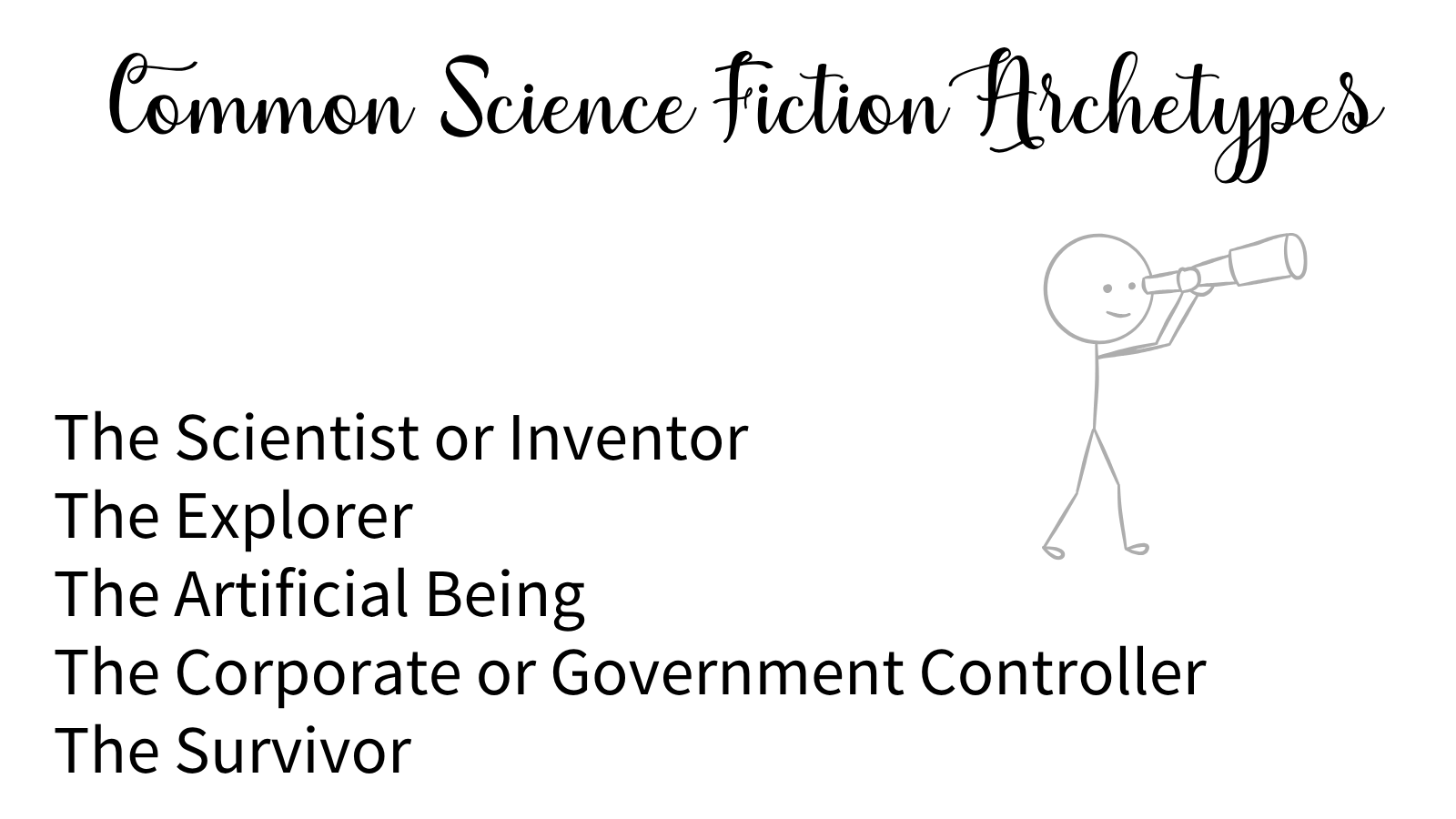
Common Science Fiction Archetypes
Science fiction explores technology, identity, discovery, survival, and futures. Its archetypes often grow from those questions.
The Scientist or Inventor
The scientist creates, studies, or discovers something capable of changing the world.
Examples:
♦ Victor Frankenstein creates life without fully facing the responsibility that follows. (Frankenstein)
♦ Tony Stark builds powerful technology and then has to confront the damage that technology can cause. (Iron Man)
♦ Dr. Ellie Arroway searches for proof of life beyond Earth while wrestling with science, faith, and personal experience. (Contact)
This archetype often stands between:
♥ knowledge and ethics
♥ progress and danger
♥ discovery and responsibility
Your inventor may know exactly how to build something but the harder question is whether they understand what happens after they succeed.
The Explorer
The Explorer travels into unknown worlds, planets, cultures, dimensions, or ideas.
Examples:
♦ Mark Watney survives on Mars through science, patience, humour, and a stubborn refusal to die. (The Martians)
♦ Louise Banks explores an alien language and discovers a different understanding of time. (Arrival)
♦ The crews in Star Trek explore new worlds while confronting moral, political, and cultural questions. (Star Trek)
The unknown should reveal something about the person exploring it.
A distant planet might expose their loneliness.
An alien culture might challenge their arrogance.
A discovery might force them to admit how badly they need connection. The outer journey works best when it opens an inner one.
The Artificial Being
This archetype includes robots, clones, androids, and artificial intelligence who often search for identity, freedom, meaning, or the right to choose their own purpose.
Examples:
♦ Data studies human behaviour and wonders what it means to be human. (Star Trek)
♦ The Iron Giant must decide whether to follow the violent purpose others gave him or choose something different. (Iron Giant)
♦ Ava raises tough questions about intelligence, freedom, control, and manipulation. (Ex Machina)
Stories about artificial beings often ask:
♥ What makes someone human?
♥ Does memory create identity?
♥ Can a created being choose its own purpose?
♥ Does a creator own what they create?
The strongest versions feel like people first and philosophy questions second.
The Corporate or Government Controller
Science fiction often places power inside a company, government, military, or other system.
Examples:
♦ The Tyrell Corporation creates artificial people and treats them as products. (Blade Runner)
♦ The Empire controls through military force, fear, and order. (Star Wars)
♦ The Company in the Alien series values profit and research above human life. (Alien)
In stories like these, the real villain may not be one person but an entire system.
A hero might overcome a single person, but dismantling the system that gave them power is a far greater challenge.
The Survivor
The Survivor relies on courage, intelligence, skill, or sheer persistence to stay alive in an unfamiliar situation.
Examples:
♦ Ellen Ripley survives because she observes danger, makes hard choices, and refuses to give up. (Alien)
♦ Mark Watney uses science, humour, and careful problem-solving. (The Martian)
♦ Robert Neville survives in a world reshaped by disease and isolation. (I Am Legend)
Survival becomes more powerful when the character is fighting for more than another breath.
♥ They may need to return to someone.
♥ They may be protecting a discovery.
♥ They may see survival itself as an act of resistance.
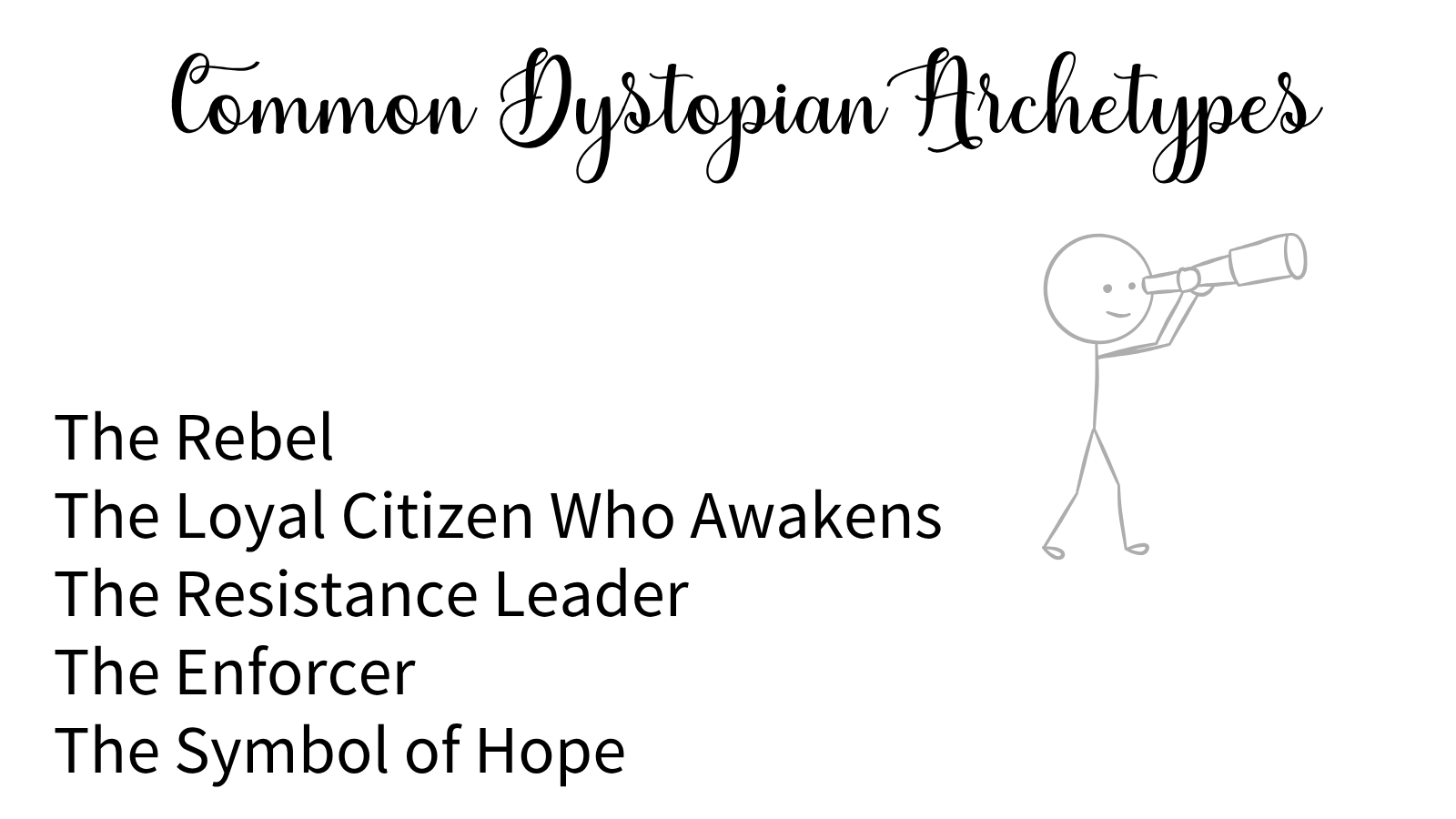
Common Dystopian Archetypes
Dystopian fiction is built around control, freedom, inequality, rebellion, and broken systems. Its characters often stand somewhere between obedience and resistance.
The Rebel
The Rebel questions the system and refuses to keep living by its rules.
Examples:
♦ Tris Prior cannot fit neatly into the structure controlling her society. (Divergent)
♦ Connor Lassiter runs from a system that plans to take apart his body. (Unwind)
♦ Thomas questions the rules of the Glade and pushes others to search for answers. (The Maze Runners)
Give the rebel a personal reason to resist before handing them a larger cause.
♥ Perhaps the system harmed their family.
♥ Perhaps it denied them a future.
♥ Perhaps they witnessed one injustice they could no longer explain away.
Rebellion feels real when it begins with something personal.
The Loyal Citizen Who Awakens
This character begins by trusting the system and then the cracks appear.
Examples:
♦ Jonas slowly discovers the truth behind his community’s orderly appearance. (The Giver)
♦ Guy Montag begins as a fireman who burns books before questioning the society he serves. (Fahrenheit 451)
♦ Emmet follows instructions and tries to fit in until events force him to see the limits of his world. (The Lego Movie)
♥ Let the awakening take time.
♥ Let the character deny what they see.
♥ Let them bargain with it.
♥ Let them fear losing the life they know.
Even a cruel system can feel safe when it is familiar.
The Resistance Leader
The resistance leader organizes people against the ruling power. They may inspire hope, but they may also become controlling themselves.
Examples:
♦ Morpheus leads others against the machines and believes deeply in Neo’s role. (The Matrix)
♦ Princess Leia combines courage, leadership, diplomacy, and rebellion. (Star Wars)
♦ Alma Coin shows the darker side of resistance leadership. She opposes one oppressive system while showing signs she may build another. (The Hunger Games: Mockingjay)
This archetype opens an important question: Does the resistance truly offer a better future?
Opposing a cruel ruler does not automatically make someone fair, wise, or kind.
The Enforcer
The enforcer protects the system, follows orders, and punishes disobedience.
Examples:
♦ Inspector Javert believes so deeply in law and order that he loses the ability to understand mercy. (Les Misérables)
♦ Agent Smith acts as an enforcer for the system controlling humanity. (The Matrix)
♦ Jeanine Matthews uses authority, information, and violence to preserve the faction system. (Divergent)
An enforcer becomes especially interesting when their loyalty cracks.
What truth would make them question an order?
What happens when the system they defended turns against them?
The Symbol of Hope
This character becomes a public figure capable of inspiring others.
The private person may feel frightened, angry, uncertain, or unworthy of the role.
Examples:
♦ Katniss becomes the Mockingjay while struggling with the pressure and politics wrapped around that identity. (The Hunger Games)
♦ V transforms himself into a symbol of resistance. (V for Vendetta)
♦ Luke Skywalker becomes a symbol of hope, even though the person behind the legend carries regret and doubt. (Star Wars)
Show the distance between the public symbol and the private person because that gap is where much of the emotional conflict lives.
Common Romance Archetypes
Romance archetypes grow from attraction, fear, emotional need, and the risk of letting another person see too much.
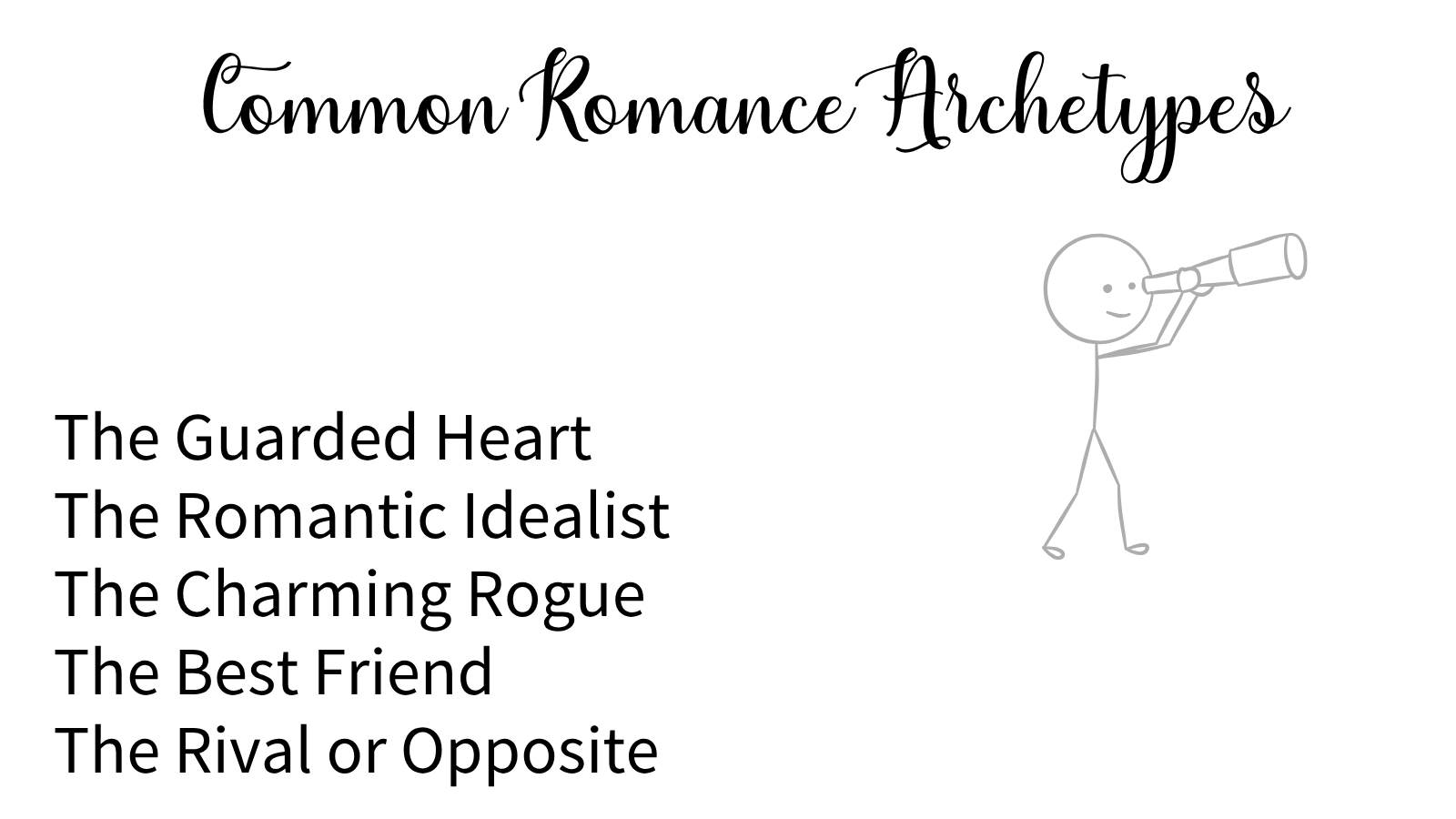
The Guarded Heart
The guarded heart wants love but fears trust, rejection, or loss.
Examples:
♦ Mr. Darcy appears proud and distant, but his reserve hides stronger feelings. (Pride and Prejudice)
♦ The Beast hides pain, shame, and anger behind frightening behaviour. (Beauty and the Beast)
♥ The emotional wall needs a reason.
♥ Perhaps they were betrayed.
♥ Perhaps they expect rejection.
♥ Perhaps they believe love always ends in loss.
The wall needs to protect something, even when that protection causes harm.
The Romantic Idealist
The romantic idealist believes deeply in love and connection, but they may also fall in love with the idea of a relationship before they truly understand the person.
Examples:
♦ Marianne Dashwood believes in passionate, dramatic love. (Sense and Sensibility)
♦ Lara Jean Covey feels safer writing about love than living it. (To All the Boys I’ve Loved Before)
♦ Anna falls quickly because she has been lonely for years.(Frozen)
The idealist often needs to learn the difference between fantasy and healthy love.
Hope is not the problem.
The challenge is learning to see the other person clearly.
The Charming Rogue
The Charming Rogue uses humour, confidence, or charm to avoid emotional honesty.
Examples:
♦ Han Solo acts casual and self-interested, but his loyalty keeps slipping through. (Star Wars)
♦ Flynn Rider hides behind a false name, a practiced smile, and a carefully built image. (Tangled)
♦ Westley carries confidence and wit while remaining deeply devoted. (The Princess Bride)
Charm should not replace character development.
♥ What happens when a joke fails?
♥ What happens when the rogue has to speak plainly or lose someone?
That is where the original character appears.
The Best Friend
The best friend offers trust, comfort, familiarity, and emotional safety. The relationship may become romantic, or it may remain deeply important without romance.
Examples:
♦ Emma Woodhouse and Mr. Knightley share history, honesty, and a connection that changes over time. (Emma)
♦ Lara Jean and Peter begin with an arrangement but gradually build friendship and trust. (To All the Boys I’ve Loved Before)
For this archetype to work, show why they genuinely enjoy each other.
Give them private jokes, shared interests, ordinary conversations, and moments of comfort that do not exist solely to move the plot.
The Rival or Opposite
This character challenges the romantic lead’s goals, beliefs, pride, or sense of identity.
Examples:
♦ Elizabeth Bennet and Mr. Darcy misunderstand and challenge each other before either one can grow. (Pride and Prejudice)
♦ Beatrice and Benedick use wit and arguments to hide deeper feelings. (Much Ado About Nothing)
♦ Margaret and Andrew begin with an uneven work relationship and a fake engagement. (The Proposal)
Give both characters strong goals and values. Their differences should matter. The problem shouldn’t be fixable with just five minutes of talking.
Common Mystery and Crime Archetypes
Mystery and crime stories revolve around truth, secrets, justice, and deception.
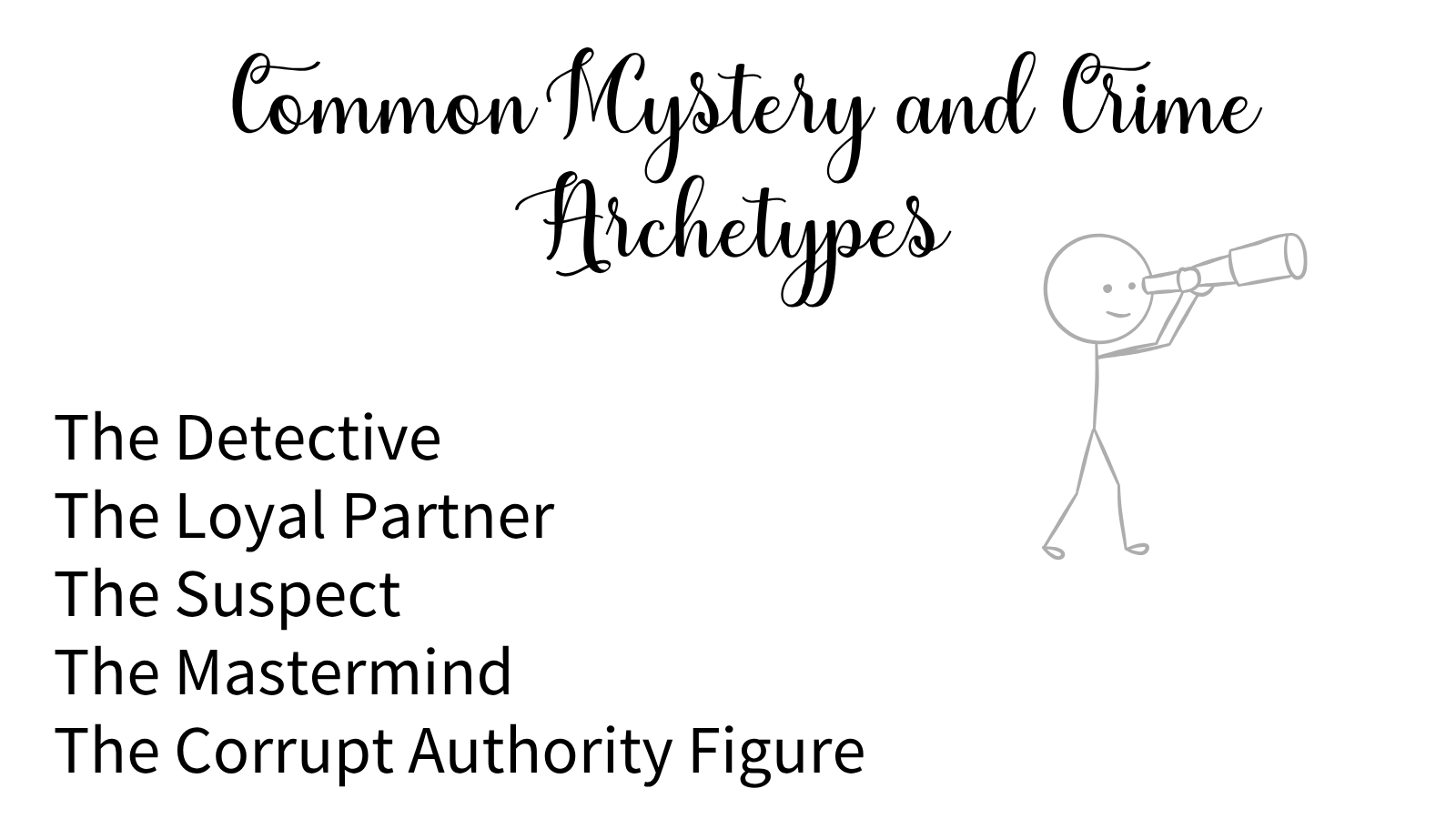
The Detective
The detective searches for answers and uncovers what other people want hidden.
Examples:
♦ Sherlock Holmes uses observation, logic, and detailed knowledge.
♦ Hercule Poirot studies behaviour, motive, and human nature.
♦ Veronica Mars combines investigation with personal loss and tough questions about justice.
Think about giving the detective a blind spot.
They may understand evidence and completely misread emotions. Or, they may solve everyone else’s secrets while working very hard to avoid their own.
The Loyal Partner
The Loyal Partner supports the investigator and brings another perspective.
Examples:
♦ Dr. Watson asks useful questions and offers a warmer view of the people around Holmes. (Sherlock Holmes)
♦ Captain Hastings supports Poirot even when he does not understand his methods. (Agatha Christie)
♦ Robin often serves as Batman’s partner, support, and emotional connection. (Batman)
The partner needs skills, opinions, and goals beyond helping the detective. They need to change the investigation, not simply stand nearby while the brilliant person explains everything.
The Suspect
The suspect hides information and creates doubt. They may be guilty of something without being guilty of the central crime.
Examples:
♦ After his wife disappears, Nick quickly becomes the prime suspect. His strange behaviour, lies, and hidden secrets make him look guilty (Gone Girl)
♦ Leonard Vole is a classic example of a suspect whose truthfulness remains uncertain. (Witness for the Prosecution)
One suspect may be hiding an affair.
Another may be in debt.
A third may lie about their location because the truth would reveal a different secret.
These lies create suspicion even when they have nothing to do with the murder.
A strong mystery rarely asks only, “Who did it?”
It also asks, “What is everyone else hiding?”
The Mastermind
The Mastermind plans the crime, manipulates events, or stays several steps ahead.
Examples:
♦ Professor Moriarty acts as a criminal equal to Sherlock Holmes. (Sherlock Holmes)
♦ John Doe builds crimes around his twisted beliefs. (Se7en)
♦ Keyser Söze controls the story through fear, mystery, and deception. (The Usual Suspects)
The plan should reflect the mastermind’s values, wounds, or obsession. A complicated scheme may impress readers for a moment but an emotionally revealing scheme stays with them.
The Corrupt Authority Figure
This character uses power to hide the truth or protect the guilty. They may be a police chief, politician, judge, military officer, or business leader.
Examples
♦ Captain Dudley Smith offers a dark example of corruption hidden behind authority. (L.A. Confidential)
♦ Mayor Larry Vaughn refuses to close the beaches, even when evidence shows that a shark is attacking people.( Jaws)
The character may believe they are protecting the department, the city, or public order, but that belief does not excuse the harm.
It does, however, make them more than a cardboard villain.
Common Thriller Archetypes
Thrillers thrive on danger, pursuit, secrets, pressure, and choices made with no time to spare.
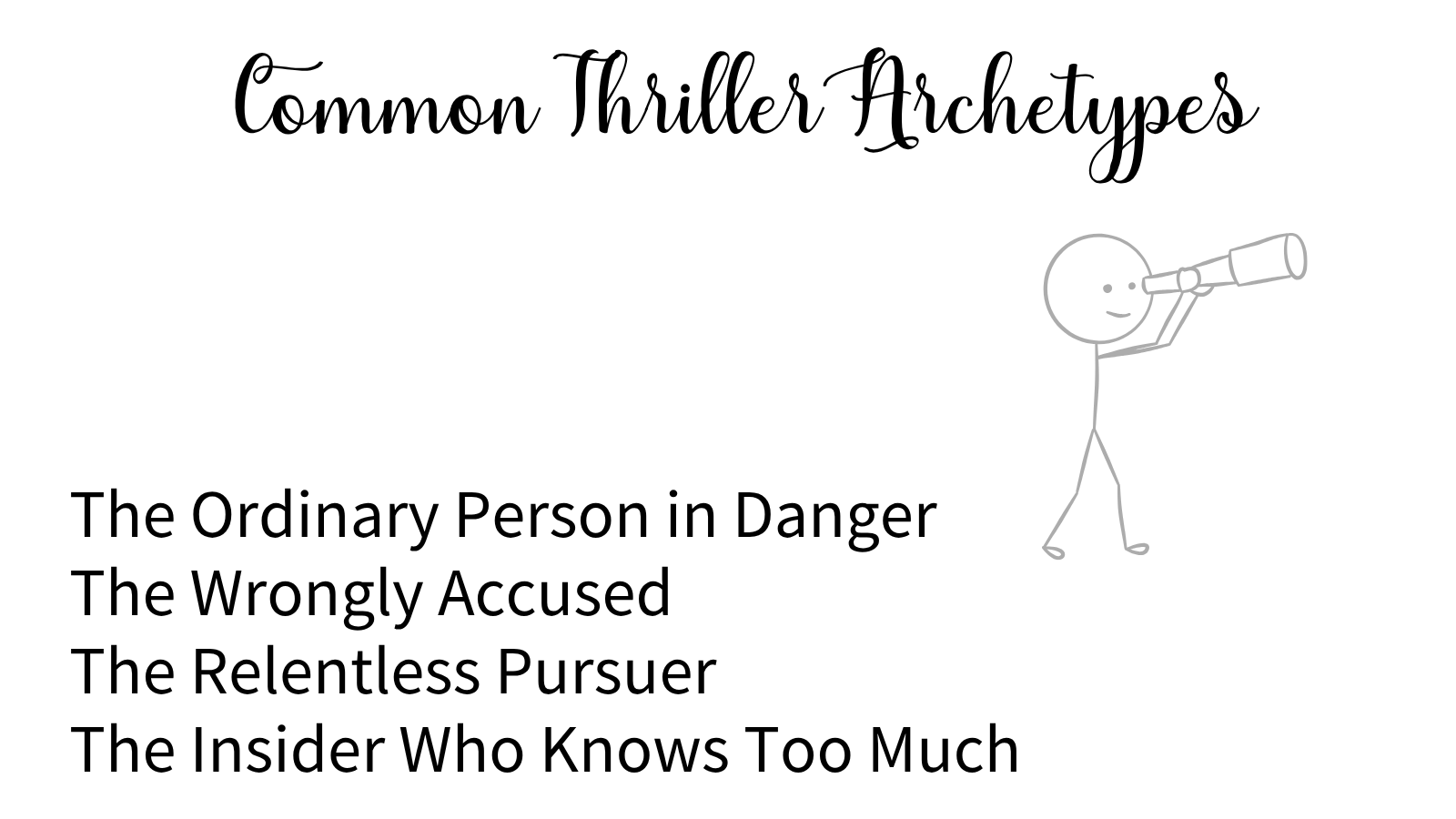
The Ordinary Person in Danger
This character found themselves pulled into a situation they do not understand.
Examples:
♦ Roger Thornhill becomes trapped in a world of mistaken identity and espionage. (North by Northwest)
♦ Rachel Watson becomes involved in a disappearance while struggling with unreliable memories. (The Girl on the Train)
♦ Michelle wakes inside a bunker and must decide who she can trust. (10 Cloverfield Lane)
Ordinary does not have to mean helpless.
♥ A nurse notices a medical detail.
♥ A teacher understands how people behave under pressure.
♥ A mechanic knows exactly which part of a locked room can be taken apart.
Everyday knowledge becomes exciting when the stakes change.
The Wrongly Accused
This character must prove their innocence while escaping the people hunting them.
Examples:
♦ Dr. Richard Kimble searches for the truth behind his wife’s murder while running from the law. (The Fugitive)
♦ Nick Dunne may not be guilty of murder, but his secrets make innocence difficult to believe. (Gone Girl)
Give the character flaws, mistakes, or hidden truths that create doubt.
A spotless, innocent person can feel less interesting than someone who has done several wrong things, just not the crime everyone suspects.
The Relentless Pursuer
The pursuer hunts the protagonist with patience, skill, or obsession.
Examples:
♦ The T-1000 never tires and never stops. (The Terminator)
♦ Anton Chigurh follows a cold and frightening personal code. (No Country for Old Men)
♦ Javert pursues Jean Valjean because he believes the law must remain absolute. (Les Miserables)
The pursuer becomes more frightening when they follow clear rules. Readers may hate the code, but they understand that this character will not abandon it easily.
The Insider Who Knows Too Much
This character possesses information that powerful people want hidden. They may be a witness, a hacker, a scientist, a former agent, or a whistleblower.
Examples:
♦ Jason Bourne’s memories contain dangerous information about the people who created him. (The Bourne Identity)
♦ Mitch McDeere joins a successful law firm and slowly discovers that it works with organized crime. (The Firm)
Make the secret personal. It should threaten more than the plot.
It might change the character’s identity, destroy a relationship, or force them to reinterpret their entire past.
Common Horror Archetypes
Horror archetypes grow from fear, denial, isolation, survival, and the unknown.
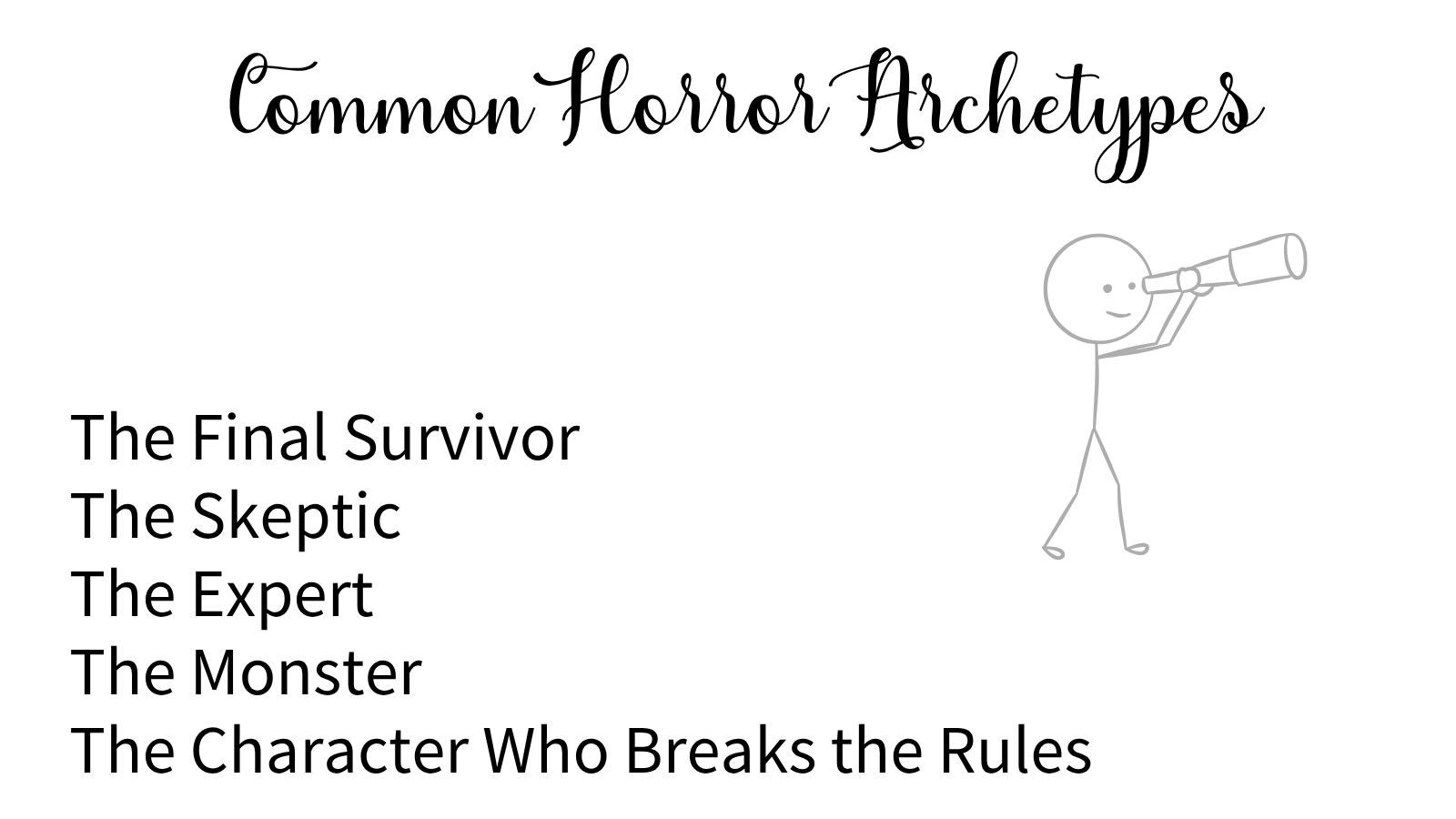
The Final Survivor
The Final Survivor is the last, or one of the last, people left to face the threat.
Examples:
♦ Ellen Ripley survives through observation, skill, and determination. (Alien)
♦ Laurie Strode uses awareness and courage against a relentless danger. (Halloween)
♦ Sidney Prescott learns, fights back, and refuses to remain a victim. (Scream)
Survival should come from choices and skills, not luck alone.
Let the character notice what others miss.
Let them make mistakes then let those mistakes teach them how to survive.
The Skeptic
The Skeptic refuses to believe the danger is real, which can delay action, create conflict, and represent denial.
Examples:
♦ Although Damien Karras is a priest, he first looks for medical and psychological explanations for Regan’s strange behaviour. (The Exorcist)
♦ Dr. Alan Grant doubts the dinosaur park can ever be completely safe. His scepticism proves justified when the park’s systems fail. (Jurassic Park)
Give them a believable reason to doubt.
Most people would not immediately accept that a ghost, alien, monster, or ancient curse had appeared.
The skeptic becomes frustrating only when they keep denying obvious evidence because the plot needs them to.
The Expert
The Expert understands the monster, curse, disease, or strange event.
Examples:
♦ Van Helsing knows how vampires work. (Van Helsing)
♦ Quint understands sharks and the sea. (Jaws)
♦ Dr. Loomis understands the danger Michael Myers represents. (Halloween)
Knowledge should not make the expert completely safe or completely correct. They may understand the old rules and still misunderstand the real threat.
The Monster
The Monster creates physical danger, but it may also carry a deeper meaning.
Examples:
♦ Frankenstein’s creature raises questions about abandonment, responsibility, and humanity. (Frankenstein)
♦ The shark in Jaws represents natural danger and the cost of ignoring warnings. (Jaws)
♦ The xenomorph in Alien is a threat humans cannot easily understand or control. (Alien)
Ask what the monster means beyond danger.
Does it reflect grief? Disease? Violence? Pride? Fear of the unknown? The answer does not need to be explained directly in the story, but it should shape the way the monster behaves.
The Character Who Breaks the Rules
This person ignores a warning, enters a forbidden place, or makes the choice that releases the threat.
Examples:
♦ Billy Peltzer receives three clear rules for caring for Gizmo, but one of them gets broken, showing how one mistake can release a much larger danger. (Gremlins)
♦ Evelyn Carnahan curiosity and love of ancient history pushed her to open something that should have stayed closed. (The Mummy)
Do not make them foolish simply because the plot needs someone to open the door.
Give them a reason.
Curiosity works.
So do grief, desperation, love, pride, and the need to prove something.
A believable poor decision is much more frightening than random carelessness.
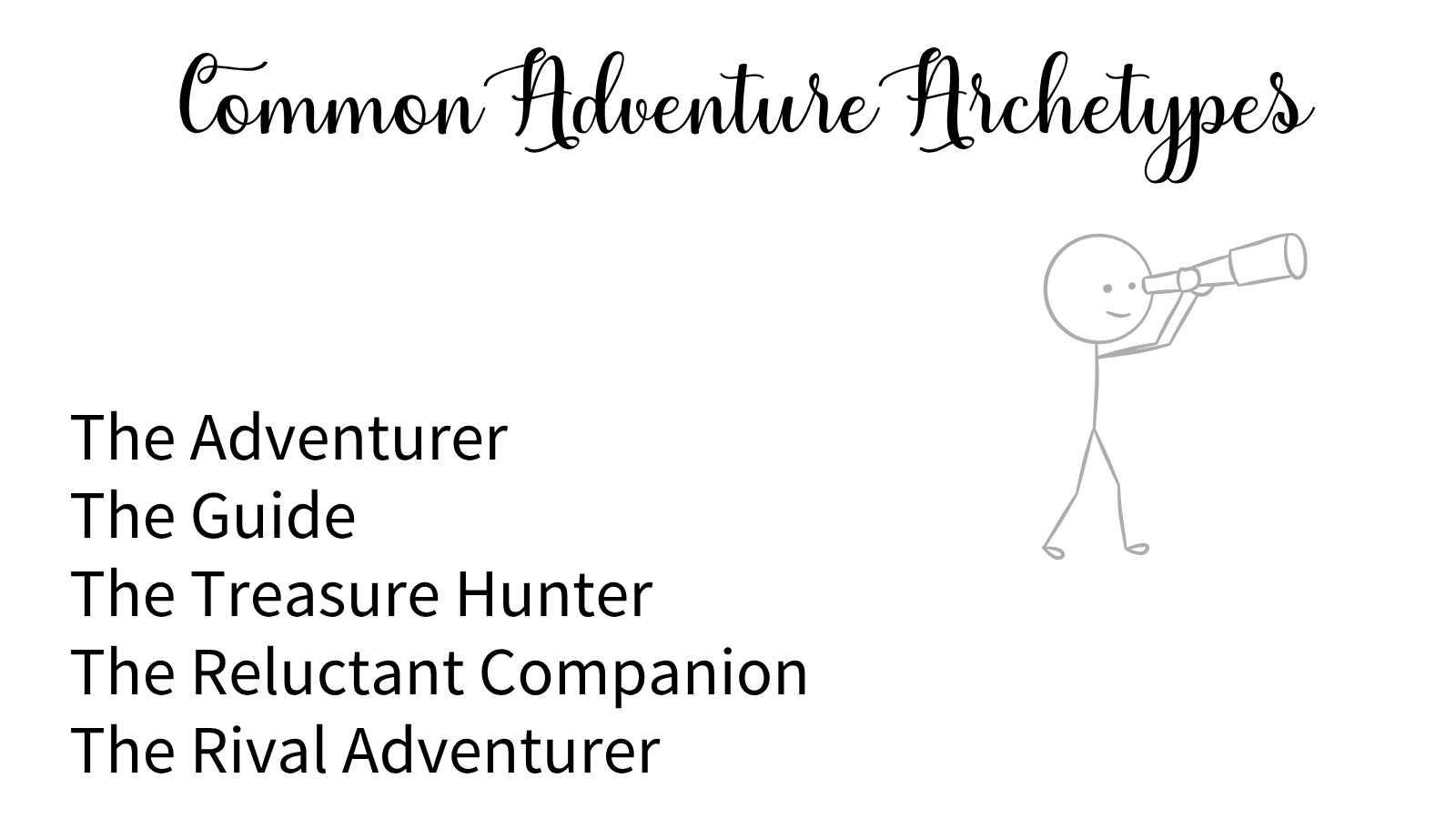
Common Adventure Archetypes
Adventure stories centre on movement, discovery, danger, and teamwork.
The Adventurer
The adventurer seeks treasure, knowledge, freedom, answers, or excitement.
Examples:
♦ Indiana Jones, Lara Croft, and Nathan Drake travel into dangerous places in search of lost objects and hidden truths.
The outer adventure should connect to an inner need.
What are they really looking for?
♥ Recognition?
♥ A missing parent?
♥ Proof that they matter?
♥ A reason to stop running?
The treasure may start the journey, but it should not be the only thing at stake.
The Guide
The guide understands the land, culture, route, or danger. They help the group survive, but they may also have an agenda of their own.
Examples:
♦ Gandalf helps the fellowship understand the danger of the One Ring but he cannot complete the journey for them. (The Lord of the Rings)
♦ Rafiki helps Simba face his past and recognize the responsibility he has been avoiding. (The Lion King)
A guide becomes more than a walking map when they have something to gain, lose, hide, or prove.
The Treasure Hunter
The Treasure Hunter seeks wealth, knowledge, status, or a lost object.
Examples:
♦ Although treasure motivates some of Nathan Drake’s adventures, curiosity and the thrill of discovery often matter just as much to him. (The Uncharted)
♦ Benjamin follows historical clues to find a hidden treasure connected to the founding of the United States. (National Treasure)
The treasure often matters less than what the search reveals.
♥ Perhaps it tests the character’s greed.
♥ Perhaps it exposes family history.
♥ Perhaps reaching it forces them to decide what they value more than the prize.
The Reluctant Companion
This character joins the adventure unwillingly and becomes essential.
They may bring caution, humour, practical knowledge, or the rare ability to recognize that everyone else’s plan is terrible.
Examples:
♦ Arthur Dent never asks to travel through space and spends much of the story confused, uncomfortable, and wishing for a normal life. (The Hitchhiker’s Guide to the Galaxy)
♦ Han Solo agrees to help Luke and Obi-Wan because he needs money, not because he believes in their cause. (Star Wars: A New Hope)
Their reluctance can be funny but their eventual loyalty gives the role its heart.
The Rival Adventurer
The Rival wants the same destination, object, or discovery.
Examples:
♦ René Belloq competes with Indiana Jones to find valuable ancient artefacts. (Raiders of the Lost Ark)
♦ Harry Flynn begins as Nathan Drake’s partner but becomes his rival in the search for the lost city of Shambhala. (Uncharted 2: Among Thieves)
They may remain an enemy or become an uneasy ally.
A powerful rival needs a reason for wanting the prize.
Competition becomes more interesting when both people believe they cannot afford to lose.
Common Comedy Archetypes
Comedy often grows from flaws, misunderstandings, contrast, and people taking themselves far too seriously.
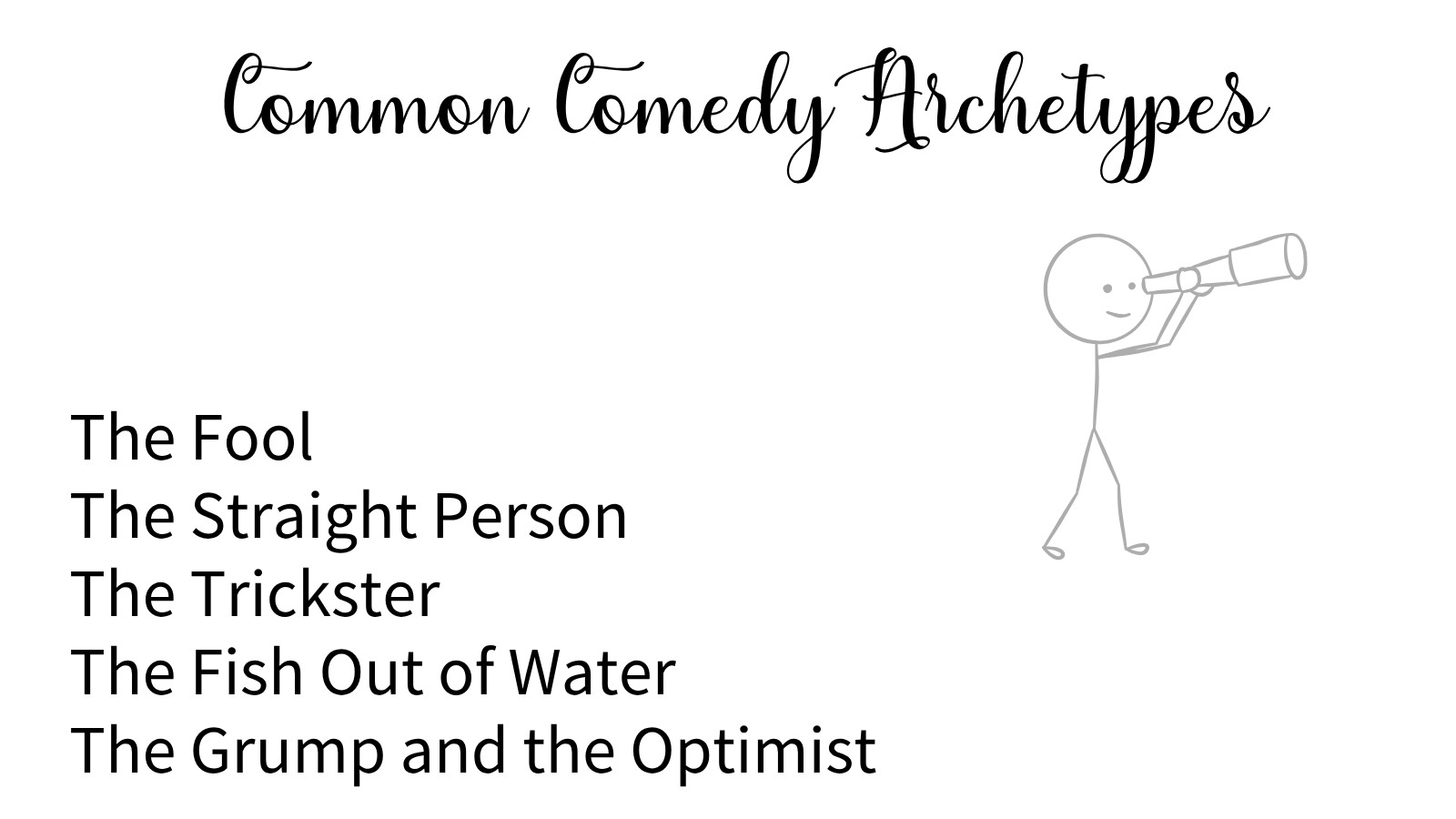
The Fool
The Fool misunderstands situations but may accidentally reveal the truth.
Examples:
♦ Michael Scott often lacks self-awareness, yet his behaviour exposes uncomfortable truths about work, pride, loneliness, and the need for approval. (The Office)
♦ Kronk is not as clever or dangerous as the villain he works for. He often misunderstands instructions, gets distracted, and makes silly mistakes. (The Emperor’s New Groove)
The fool should not be foolish at every moment. Give them flashes of insight, kindness, or surprising competence.
The Straight Person
The straight person reacts seriously to the surrounding chaos.
Examples:
♦ Jim Halpert often acts as the calm, reasonable person surrounded by the strange behaviour of the rest of the office. (The Office)
♦ Marge Simpson’s sensible reactions make the family’s chaos even funnier. (The Simpsons)
They show the audience just how strange everyone else has become.
Without someone grounded in reality, a cast full of wild personalities can lose its contrast.
The Trickster
The Trickster creates confusion, plays jokes, and challenges authority.
♦ Examples: Bugs Bunny, some versions of Loki, and the Genie all use humor and cleverness to upset the expected order.
The Trickster often says what the serious characters are trying not to admit.
The Fish Out of Water
This character enters an unfamiliar setting and does not understand the rules.
Examples:
♦ Buddy brings North Pole behaviour into modern New York.
♦ Elle Woods enters Harvard Law School, where others underestimate her because she does not match their expectations.
♦ Paddington enters a new home and culture with curiosity, politeness, and a talent for accidental chaos.
The humour comes from contrast, but the character still needs dignity. They shouldn’t exist only to be laughed at.
The Grump and the Optimist
One character expects the worst while the other keeps hoping.
Examples:
♦ Shrek prefers peace, quiet, and being left alone. Donkey is friendly, hopeful, and almost impossible to discourage. (Shrek)
♦ Wednesday Addams is serious, distant, and openly suspicious of cheerful behaviour. Enid Sinclairis warm, colourful, and eager to connect. (Wednesday)
Their contrast creates humour, conflict, and emotional growth.
The Optimist may help the Grump reconnect with life.
The Grump may help the Optimist recognize real danger.
The relationship works best when both characters influence each other.
Can a Character Fit More Than One Genre Archetype?
Most memorable characters do.
Examples:
♦ Ellen Ripley is a survivor, leader, protector, and hero. (Alien)
♦ Han Solo is a rogue, ally, lover, and reluctant hero. (Star Wars)
♦ Tris Prior is a rebel, hero, and chosen one figure. (Divergent)
♦ Sherlock Holmes is a detective, sage, outsider, and difficult friend. (Sherlock Holmes)
A character’s role can also change during the story.
♥ A suspect becomes an ally.
♥ A student becomes the mentor.
♥ A survivor becomes the leader.
♥ A charming rogue becomes a loyal protector.
These shifts create growth which is important because an archetype does not have to remain fixed from the first page to the last.

How to Choose Archetypes for Your Cast
Start with the story you are actually writing, not the cast you think the genre requires.
Ask:
♥ What roles does this story need?
♥ What role does my protagonist fill?
♥ Who supports them?
♥ Who challenges them?
♥ Who understands the world better than they do?
♥ Who represents the main threat?
♥ Which character could surprise the reader?
♥ Does every major character want something beyond their plot function?
Don’t add a mentor because fantasy stories are supposed to have mentors. Add one because your protagonist needs guidance, pressure, information, conflict, or someone whose approval matters too much.
Every major character should earn their place.
How to Make Genre Archetypes Feel Fresh
You do not have to throw away familiar character types but make them specific.
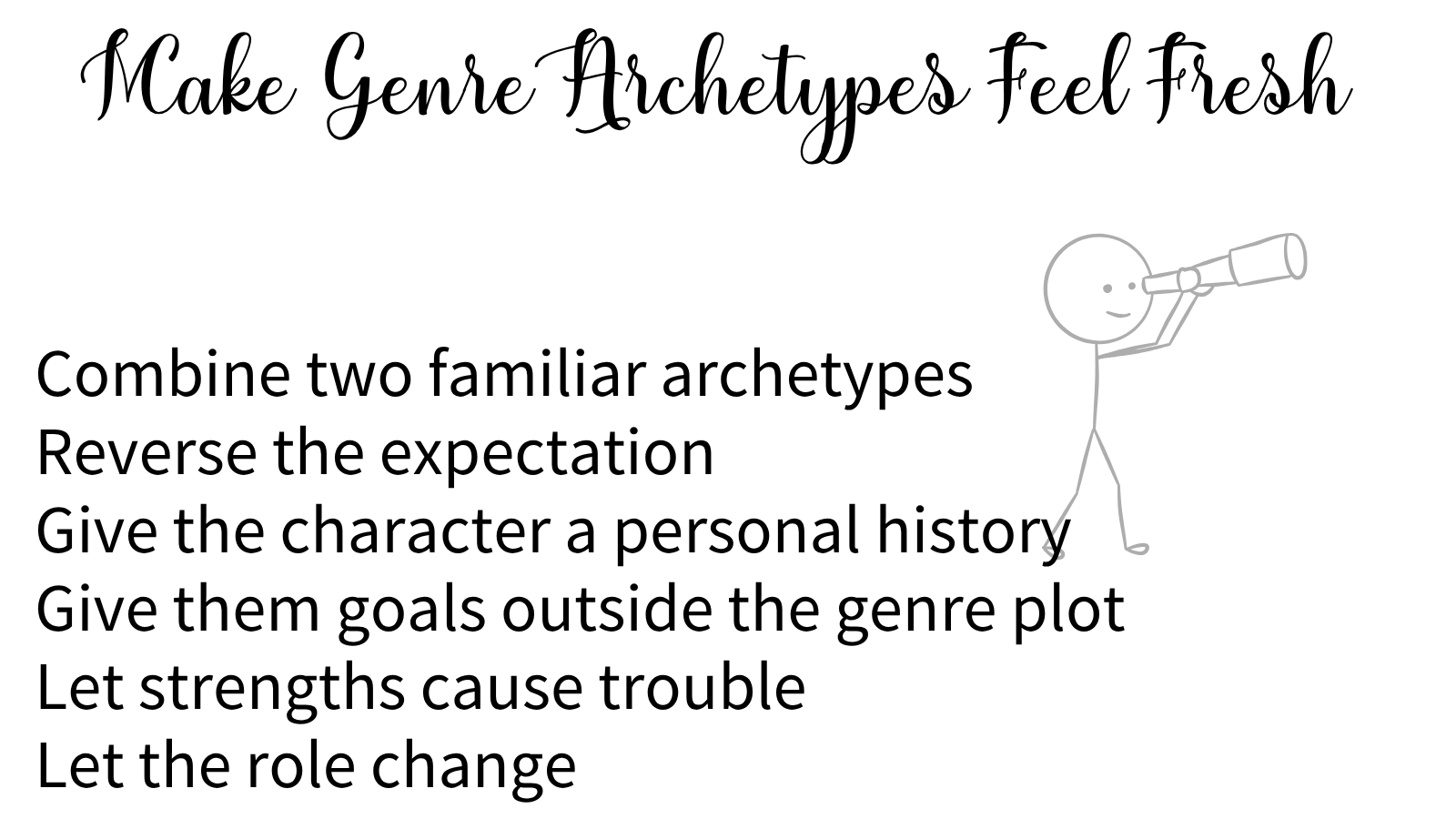
Combine Two Familiar Archetypes
Contradictions create interest. Try:
♥ a shy Rebel
♥ a dishonest detective
♥ a cheerful Horror Expert
♥ a caregiver who becomes a dark ruler
♥ a chosen one who hates special treatment
♥ a rogue obsessed with strict routines
♥ a mentor who knows less than the student assumes
The second pattern changes the first.
A dishonest detective is not simply a detective with an extra trait. Their dishonesty changes how they investigate, what they hide, and why readers may not trust their conclusions.
Reverse the Expectation
Take the role readers recognize and turn it around.
♥ The mentor needs saving.
♥ The protected character becomes the protector.
♥ The suspect solves the crime.
♥ The monster shows more kindness than the humans.
♥ The charming rogue follows a strict moral code.
♥ The final survivor caused the danger.
♥ The Dark Ruler believes freedom will destroy society.
A reversal works best when it grows from the character. A twist added only for shock may surprise readers once. A twist rooted in history, fear, and choice reshapes the entire story.
Give the Character a Personal History
A familiar role feels original when it grows from a specific life.
♥ Why did the detective become obsessed with the truth?
♥ Why does the rebel hate authority?
♥ Why does the survivor refuse to trust anyone?
♥ Why does the mentor keep secrets?
The role may be recognizable, but the reason behind it should belong to this character alone.
Give them Goals Outside the Plot
A character should want more than the thing the genre expects.
♥ The detective may want to repair a relationship with their daughter.
♥ The survivor may protect a family secret.
♥ The rebel may dream of becoming a musician.
♥ The mentor may fear becoming useless.
♥ The rogue may want a permanent home and refuse to admit it.
These outside goals remind readers that the character had a life before the plot arrived.
Let Strengths Cause Trouble
A strength pushed too far can becomes a flaw.
♥ The explorer’s curiosity puts everyone in danger.
♥ The detective’s intelligence turns into arrogance.
♥ The protector’s loyalty traps them in an unhealthy relationship.
♥ The rogue’s confidence makes them careless.
♥ The idealist’s hope keeps them from recognizing a threat.
This kind of flaw feels natural because it grows from something the character values.
Let the Role Change
A character’s role can evolve.
♥ The follower becomes the leader.
♥ The skeptic becomes the believer.
♥ The rival becomes the friend.
♥ The victim becomes the threat.
♥ The loyal citizen becomes the Rebel.
♥ The Mentor becomes the student.
These changes create satisfying arcs because the character does not end where they began.
A Simple Genre Archetype Exercise
Choose one character from your story and complete these lines:
My story’s genre is: ___________________________
My character’s main genre archetype is: ___________________________
Readers may expect this character to: ___________________________
Instead, my character: ___________________________
Their main goal is: ___________________________
Their deepest fear is: ___________________________
Their strongest skill is: ___________________________
Their biggest weakness is: ___________________________
Their role changes when: ___________________________
By the end of the story, they become: ___________________________
Now combine that character with a second archetype. Ask:
What happens when the detective is also the main suspect?
What happens when the dark ruler is also a caregiver?
What happens when the survivor caused the danger?
What happens when the chosen one is the least powerful person in the group?
What happens when the monster becomes the hero’s closest ally?
Sometimes one unexpected combination is enough to unlock the entire character.
Key Takeaways
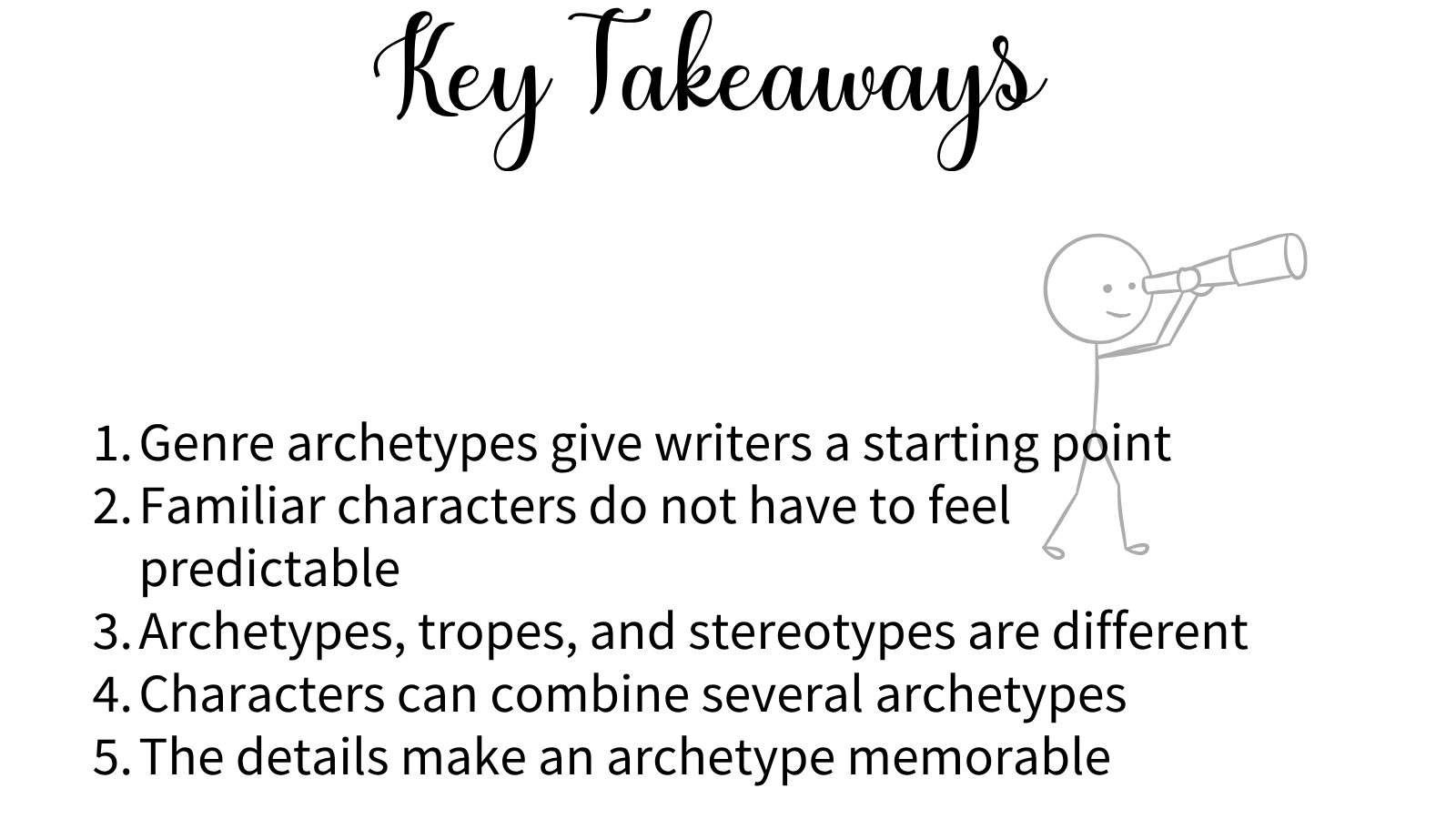
1. Genre archetypes give writers a starting point
2. Familiar characters do not have to feel predictable
3. Archetypes, tropes, and stereotypes are different
4. Characters can combine several archetypes
5. The details make an archetype memorable
Last Words on Genre Archetypes
Readers enjoy familiar story patterns; that is part of why genres exist.
We return to fantasy, romance, mystery, science fiction, and horror because we recognize the experience they promise. We know there may be a quest, a secret, a love story, a rebellion, or a locked door that absolutely should remain closed.
Genre archetypes help create that sense of familiarity.
The goal is not to avoid every role readers have met before.
The goal is to give the character enough history, personality, conflict, and choice to feel real.
The archetype gives you the outline but you create the person.
Start with one, then ask what they fear in private.
Give them an old regret they cannot shake.
Let them love someone inconvenient.
Let them make the wrong choice for a reason that makes painful sense.
That is how a familiar role becomes a character readers remember.
Happy writing!
Linda
Liked this post? Pin this image! It’s a huge help for my blog. Thank you!
Feature Image from Pixabay.


0 Comments